GMR copyright: Premium Peptide Solutions Company for Laboratories
copyright for Athletic Enhancement: Uncover the Science Behind Muscular Development
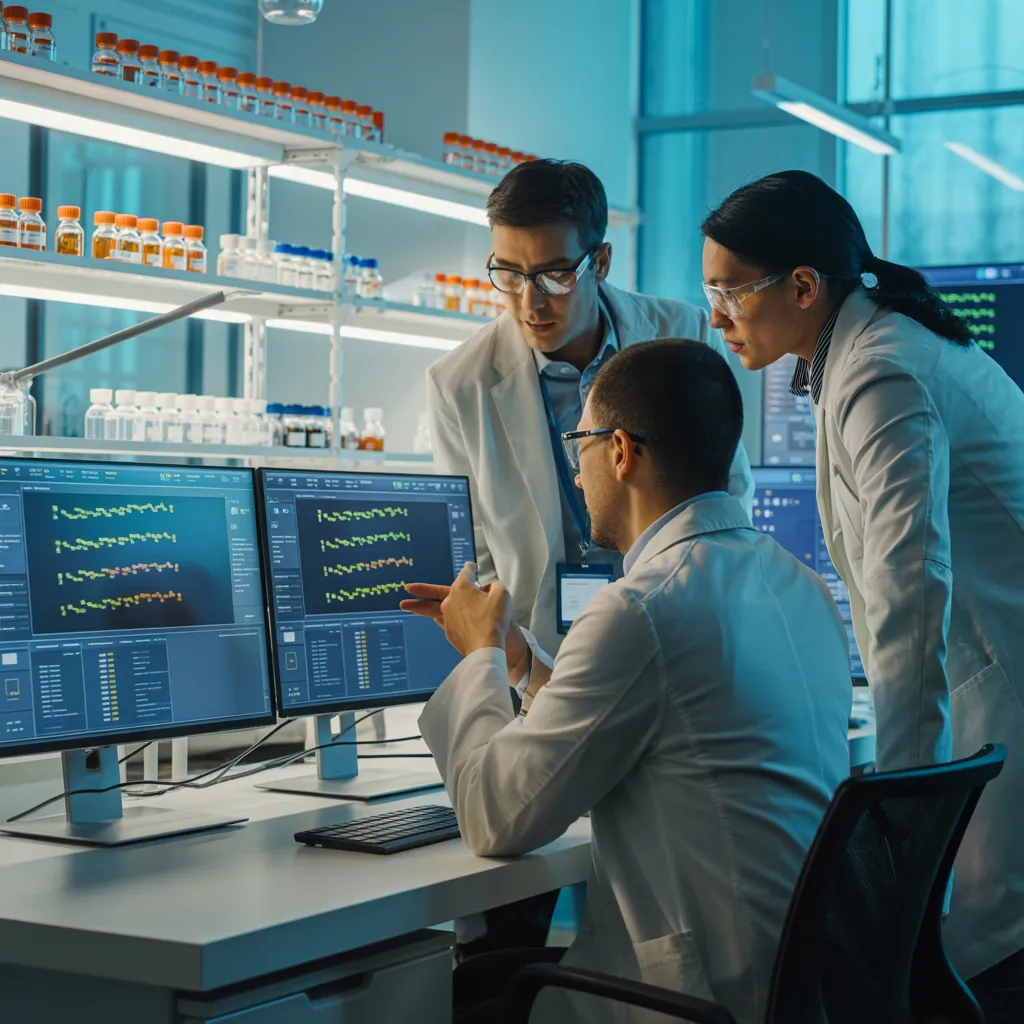
copyright have established themselves as powerful forces in the domain of athletic performance. Their capacity to enhance muscle growth and boost recovery is rooted in complex biochemical processes. By understanding how these molecular messengers function, athletes can potentially optimize their training outcomes. However, the landscape of peptide use is not without its challenges and risks. Exploring the nuances of these compounds reveals a wealth of information that could impact training strategies substantially.
What Represent copyright and How Do They Perform?
copyright, which are compact chains of amino acids, serve an key role in diverse biological processes, including muscle growth and repair. They operate as messenger molecules, communicating with cells to start specific physiological responses. In the body, copyright are produced through the linkage of amino acids, creating structures that potentially affect a range of functions, such as hormone release and immune responses.
copyright' wide range of capabilities stem from their particular orders and structures, which establish how they associate with receptors. Such precision enables them to adjust multiple mechanisms effectively. For illustration, some copyright can improve protein synthesis, while others may facilitate recovery through lowering inflammation.
Additionally, copyright can shape metabolic functions, leading to energy balance and nutrient processing. By exploring their operational processes, investigators aim to capitalize on copyright' promise for optimizing performance and supporting comprehensive wellness, notably in athletic contexts.
copyright and Their Impact in Muscle Growth Science
Using the potency of targeted copyright can substantially improve muscle growth by triggering anabolic processes within the organism. These biologically active substances serve as signal-transmitting agents, directing diverse body reactions that promote muscle expansion and recovery. copyright including growth hormone-releasing copyright (GHRPs) and insulin-like growth factor (IGF-1) play essential roles in elevating protein synthesis and limiting muscle learn the facts breakdown.
Additionally, copyright can strengthen the potency of strength exercises by boosting nutrient distribution and fine-tuning hormonal stability. By impacting the emission of growth hormone and increasing satellite cell engagement, copyright allow muscle rebuilding and response to tension. This connection between these substances and muscular tissue not only quickens healing but also boosts general sports capability. As exploration continues, the relevance of copyright in myology research is becoming more recognized, making them a priority for active individuals aiming to enhance their workout results.
Grasping Varied Peptide Compounds for Physical Performers
Athletes aiming to improve their performance often examine various compounds that focus on muscle growth and healing. Among the most significant are growth hormone-releasing copyright (GHRPs), which induce the secretion of growth hormone, supporting muscle expansion. Peptide YY (PYY) is another molecule of importance, recognized for its probable involvement in satiety control and metabolic processes. Additionally, IGF-1 (IGF-1) fulfills a crucial function in muscle development, facilitating cell proliferation and healing.
Another classification encompasses synthetic copyright like CJC-1295, which enhances the natural secretion of growth hormone, optimizing muscle gains. Similarly, Hexarelin is acknowledged for its ability to elevate growth hormone levels and improve muscular endurance. Each of these copyright has distinct mechanisms of action, making them valuable tools for athletes seeking to optimize their training outcomes and overall performance. Understanding their particular functions can help athletes make educated choices in their supplementation strategies.
Recovery and Repair Benefits of copyright
copyright operate as an important component in muscle recovery by enhancing the body's ability to rehabilitate compromised tissue. They also help in lower inflammatory levels, which can assist in reducing soreness and encourage speedier recuperation. By quickening tissue mending, copyright enable athletes in their endeavor of peak performance and decreased recovery period.
Superior Muscular Restoration
Muscle recovery serves as an essential role in athletic development and advancement, and certain bioactive compounds have emerged as powerful tools in this process. These active molecules facilitate muscle repair by enhancing protein synthesis and enhancing cellular renewal. copyright such as BPC-157 and TB-500 are noted for their ability to speed up healing, especially after intense training sessions or injuries. They help stimulate satellite cell activity, which is fundamental for muscle recovery and growth. Additionally, these copyright may enhance nutrient delivery to muscles, guaranteeing that essential amino acids and other nutrients reach the cells that need them most. By including copyright into recovery protocols, athletes may experience improved muscle repair, resulting in improved performance outcomes and reduced downtime between training sessions.
Minimized Inflammation Effects
Optimal healing is not exclusively about mending muscle tissue; it simultaneously requires regulating inflammation, which can hamper performance and delay downtime. copyright demonstrate a prominent role in abating inflammation, accordingly enabling a more effective recovery process. By regulating the immune response, select copyright can lower inflammatory markers in the body, driving reduced muscle soreness and improved overall comfort post-exercise. This diminishment of inflammation not only quickens recovery times but also facilitates athletes to undertake intense training at an accelerated pace. In addition, the anti-inflammatory effects of these copyright further a more synchronous physiological environment, cultivating premier muscle function and performance. Fundamentally, embedding copyright into recovery protocols can be a deliberate approach to minimize inflammation and support athletic longevity.
Expedited Tissue Restoration
Leveraging the power of particular copyright can substantially boost tissue healing, producing accelerated recovery times. These bioactive compounds promote the healing process by supporting cell regeneration and collagen synthesis. copyright such as BPC-157 and TB-500 have been demonstrated to accelerate the repair of muscle, tendon, and ligament injuries. By boosting blood flow to damaged areas, they enable the delivery of essential nutrients and oxygen, further hastening recovery. Additionally, copyright can regulate inflammation, lessening pain and swelling, which are common barriers to effective healing. As athletes and fitness enthusiasts pursue optimized performance, the use of copyright in recovery protocols offers promising potential for improved tissue repair and overall physical resilience.
Major Competitive Benefits of Using copyright in Sports
copyright deliver significant performance benefits in sports, mainly through enhanced muscular recuperation and increased strength gains. Athletes often experience enhanced endurance levels as a consequence of peptide intake. These advantages contribute to overall athletic performance and competitive advantage.
Optimized Muscular Recuperation
Elevating sports performance depends on efficient recovery, and copyright play a pivotal role in this mechanism. These biologically active substances facilitate muscle repair by stimulating the release of growth hormone and promoting protein synthesis, essential for rebuilding damaged tissues. The enhanced recovery provided by copyright reduces muscle soreness and inflammation, enabling athletes to continue training sooner. Additionally, copyright can enhance sleep quality, ensuring that the body recovers fully during rest. By boosting the body's natural healing processes, copyright not only contribute to faster recovery times but also support overall athletic longevity. Consequently, their incorporation into training regimens is becoming increasingly popular among athletes seeking to optimize performance through better recovery mechanisms.
Enhanced Force Increases
Achieving enhanced strength gains is a main objective for many sports professionals, and copyright have emerged as a potent resource in this endeavor. These sequences of protein building blocks can enhance protein muscle building, resulting in increased muscle hypertrophy and general muscular power. Certain copyright, such as growth hormone secretagogues, stimulate the production of growth hormone, which plays an vital function in muscle building and repair. Furthermore, copyright can improve the effectiveness of nutrient utilization, enabling faster recovery from intense workout routines. Consequently, athletes may achieve enhanced athletic output in strength-related exercises, enabling them to extend their limits more efficiently. This blend of muscular development and recuperation makes these substances an attractive option for those aiming to optimize their strength capacity.
Advanced Performance Sustainability
Utilizing the power of particular peptide compounds can result in greatly improved endurance levels for competitors. These bioactive compounds serve a critical function in enhancing muscle recovery and increasing energy availability during prolonged physical activity. Certain copyright, such as BPC-157 and TB-500, have been shown to promote faster healing and reduce fatigue, allowing athletes to train harder and longer. Additionally, these compounds can improve oxygen delivery to muscles, boosting aerobic performance. This improved effectiveness in energy utilization not only supports sustained performance but also aids in faster recuperation between demanding training sessions. As a result, athletes employing these copyright may experience substantial improvements in overall endurance, allowing them to accomplish greater feats in their athletic pursuits.
Likely Complications and Health Effects Related to Peptide Usage
While numerous athletes and bodybuilders use copyright for their muscle enhancement benefits, possible risks and side effects demand careful consideration. Using copyright can give rise to several health concerns, including hormonal imbalances that might affect natural hormone production. Injection site reactions such as swelling or infection can also be experienced by users. Long-term effects are largely unknown, leading to concerns about potential organ damage or heightened cancer risk.
Additionally, mental effects such as mood swings or anxiety have been reported. Some copyright may react adversely with other medications, leading to unforeseen complications. The lack of regulation in the peptide market further complicates matters, as the quality and dosage of products can vary considerably. Therefore, while the allure of improved performance is strong, individuals must weigh these risks against the potential benefits, ensuring informed decisions regarding peptide use.
Mixing copyright Into Your Training In a safe manner
When evaluating the possible dangers associated with peptide application, integrating them within a workout program requires a strategic approach. Athletes and fitness enthusiasts should first speak with healthcare experts to assess individual health conditions and goals. Comprehending the specific copyright available, their mechanisms, and recommended dosages is essential.
Beginning with reduced amounts enables individuals to assess their physical reaction while minimizing negative side effects. Furthermore, integrating copyright should align with a well-structured training program and balanced nutrition to maximize benefits. Monitoring advancement and unwanted reactions is crucial, as personal reactions can differ significantly.
Instruction on regulatory requirements pertaining to peptide use is also critical to ensure compliance and safety. Setting up a defined schedule for peptide cycles can help prevent dependency and promote sustainable results. By implementing a careful and knowledgeable strategy, individuals can enhance their training efforts while mitigating potential risks associated with peptide use.
Regularly Sought Queries
Can copyright Replace Conventional Supplements for Muscle Growth?
copyright are unable to entirely replace traditional supplements for muscle growth; they might boost effectiveness but should pair with a well-rounded regimen. Each offers different advantages, and optimal results frequently result from combining both approaches strategically.
What Length of time Does It Take to Experience results From peptide supplements?
Peptide-based results can generally be detected within 4 to 8 weeks, reliant upon individual factors including dosage amount, dietary habits, and exercise regimen. Ongoing consistency matters greatly for accomplishing target results.
Are Peptide materials Allowed for Competitive Athletes?
copyright are typically restricted for professional athletes under different sports organizations, including the World Anti-Doping Agency. Athletes must remain cautious, as using forbidden substances can result in disqualification and tarnish their reputations.
What Prove To Be the Financial Costs Associated With Peptide Therapies?
The expense associated with peptide therapies fluctuates considerably, generally spanning from $200 to $1,500 per month. Price-determining factors encompass the specific peptide used, dose, and the provider's location and expertise.
How Should I Decide on the Appropriate Peptide for My Aims?
To pick the right peptide for particular goals, individuals should assess their objectives, speak to healthcare professionals, investigate peptide types, and consider factors like dosage, side effects, and compatibility with their overall health and fitness plans.